Introduction: The Little Thing You’ve Probably Never Thanked
Let’s be honest for a second. Most of us don’t wake up thinking about . We think about coffee, traffic, deadlines, maybe what’s for dinner. But here’s something interesting—almost everything that moves smoothly in your life owes a silent thank-you
Your car wheels? Yep.
Your ceiling fan? Absolutely.
Your laptop fan that keeps things cool during a Netflix binge? You guessed it.
And once you start noticing ball bearings, you can’t unsee them. They’re everywhere, quietly doing their job without drama. So today, let’s slow down a bit and give these tiny mechanical heroes the attention they deserve. Trust me, by the end of this article, you’ll look at everyday machines very differently.
What Are Ball Bearings, Really?
A Simple Explanation (No Engineering Degree Required)
At their core, are mechanical components designed to reduce friction between moving parts. They allow parts to rotate or move smoothly while carrying loads.
Think of it like this:
Imagine dragging a heavy box across the floor. Tough, right? Now place some marbles under it and push again. Suddenly, it’s way easier. That’s the basic idea behind ball bearings.
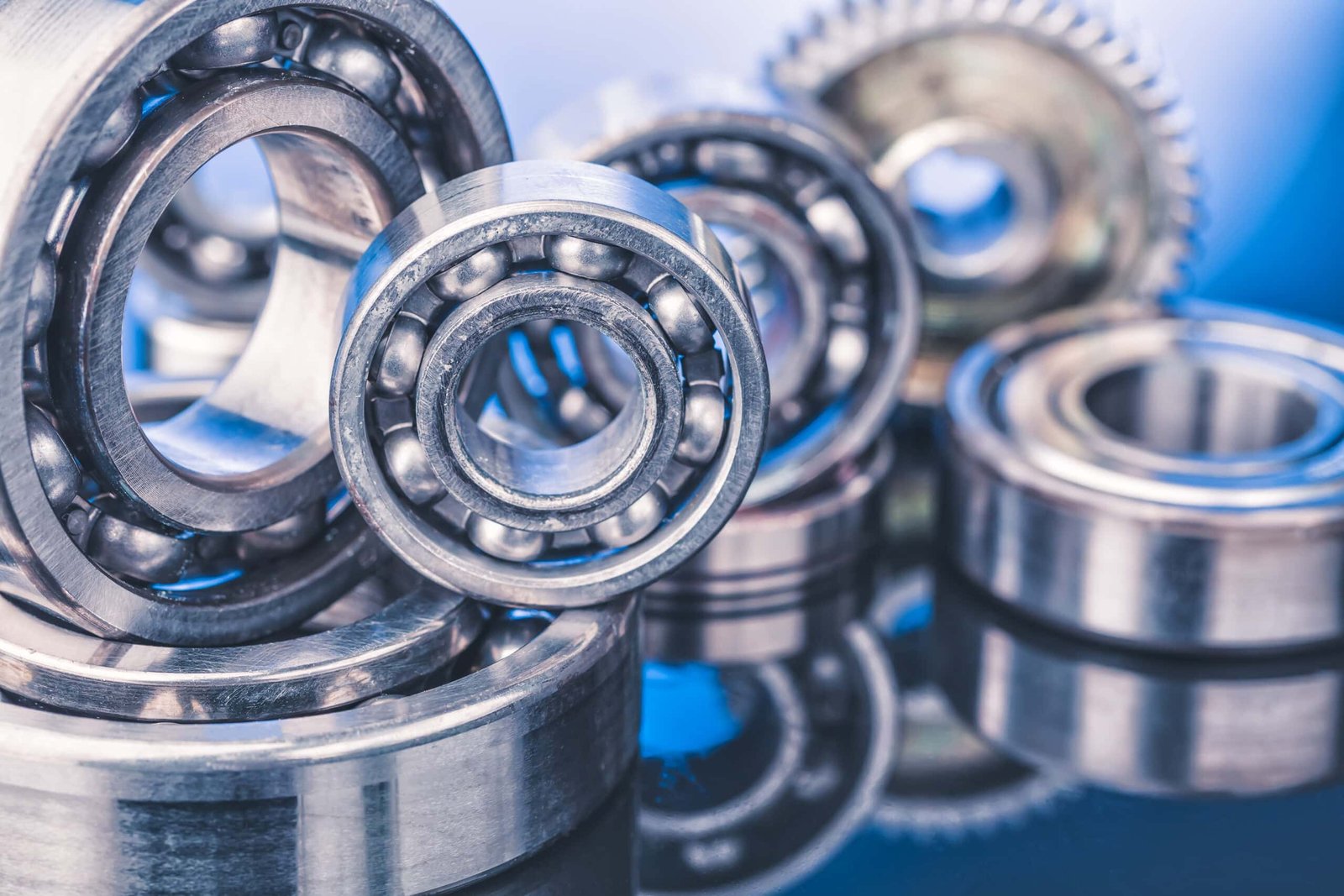
A typical ball bearing consists of:
- Inner ring
- Outer ring
- Steel or ceramic balls
- Cage (to keep the evenly spaced)
- Lubrication (oil or grease)
Simple parts. Big impact.
Why Ball Bearings Matter More Than You Think
The Real Role They Play in Daily Life
We’ve all experienced that annoying grinding noise when something isn’t working right. That’s often friction gone wrong. exist to prevent exactly that.
They help:
- Reduce wear and tear
- Improve efficiency
- Extend machine lifespan
- Save energy
- Reduce heat buildup
And honestly, without , modern life would be slower, louder, and far less reliable.
A Brief History of Ball Bearings (Yes, They’re Ancient)
From Ancient Times to High-Tech Machines
You might be surprised, but the idea of ball bearings isn’t new at all.
- Ancient Egyptians reportedly used rolling elements to move massive stones.
- Leonardo da Vinci sketched early bearing designs in the 15th century.
- The Industrial Revolution turned ball bearings into a manufacturing essential.
- Today, they’re used in aerospace, robotics, medical devices, and even space exploration.
So yeah, ball bearings have been quietly evolving alongside human progress.
Types of Ball Bearings You Should Know About
Not All Ball Bearings Are the Same
Here’s where things get interesting. come in many types, each designed for specific applications. Choosing the right one matters more than people realize.
Deep Groove Ball Bearings (The Most Common)
These are the most widely used ball bearings in the world.
Why they’re popular:
- Simple design
- Handle radial and light axial loads
- Low maintenance
- Cost-effective
You’ll find deep groove ball in electric motors, appliances, pumps, and fans.
Angular Contact Ball Bearings
These are designed to handle combined loads—both radial and axial.
Best used when:
- High-speed rotation is required
- Precision matters
- Axial loads are significant
Common applications include gearboxes, machine tool spindles, and automotive transmissions.
Self-Aligning Ball Bearings
Ever dealt with shaft misalignment? These are built for that exact problem.
Key benefit:
They automatically adjust to misalignment, reducing stress and damage.
Used in:
- Agricultural machinery
- Conveyor systems
- Industrial fans
Thrust Ball Bearings
These are all about axial loads.
They are NOT designed for radial loads, which is a mistake many beginners make.
Ideal for:
- Turntables
- Automotive steering systems
- Vertical shafts
Miniature and Precision Ball Bearings
Small doesn’t mean weak. These tiny are incredibly precise.
Used in:
- Medical devices
- Drones
- Watches
- Robotics
Honestly, it’s amazing how something so small can be so important.
Ball Bearing Materials: It’s Not Just Steel Anymore
Choosing the Right Material Matters
Material selection plays a huge role in performance, durability, and cost.
Steel Ball Bearings
The industry standard.
Pros:
- Strong
- Affordable
- Reliable
Cons:
- Can corrode if not protected
Stainless Steel Ball Bearings
Perfect for environments with moisture or chemicals.
Used in:
- Food processing
- Marine applications
- Medical equipment
Ceramic Ball Bearings
Now we’re talking high performance.
Why people love them:
- Lightweight
- Extremely hard
- Corrosion-resistant
- High-speed capability
Yes, they’re more expensive. But sometimes, they’re worth every penny.
How Ball Bearings Reduce Friction (Without the Physics Headache)
The Magic Behind Smooth Motion
Here’s the simple version.
Sliding friction is hard work. Rolling friction? Much easier.
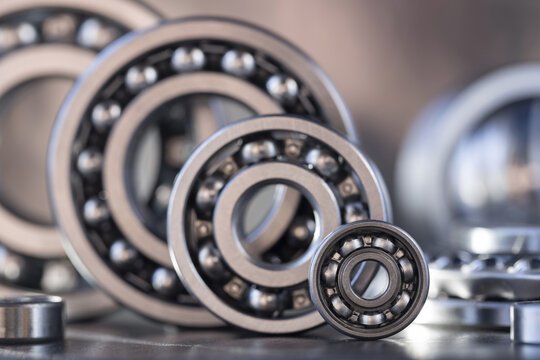
convert sliding motion into rolling motion. Instead of surfaces grinding against each other, the roll smoothly, reducing resistance and energy loss.
And when lubrication enters the picture?
That’s when things get beautifully smooth.
Lubrication: The Unsung Hero of Ball Bearings
Oil or Grease—What’s Better?
Lubrication isn’t optional. It’s essential.
Grease lubrication:
- Long-lasting
- Better sealing
- Low maintenance
Oil lubrication:
- Better heat dissipation
- Ideal for high-speed applications
Choosing the wrong lubricant can shorten bearing life dramatically. And trust me, replacing isn’t cheap.
Common Applications of Ball Bearings (You’ll Recognize These)
Where Ball Bearings Are Used Every Day
Let’s make this relatable.
- Cars and motorcycles
- Washing machines
- Ceiling fans
- Hard drives
- Power tools
- Bicycles
- Industrial machinery
Basically, if it spins, rotates, or moves smoothly—ball bearings are involved.
Ball Bearings in the Automotive Industry
Why Your Car Depends on Them
Modern vehicles use dozens of ball bearings.
They’re found in:
- Wheel hubs
- Transmissions
- Alternators
- Air conditioning systems
Without high-quality fuel efficiency drops, noise increases, and parts wear out faster. And nobody wants that.
Signs a Ball Bearing Is Failing (Don’t Ignore These)
We’ve All Been There
That strange noise. The vibration. The heat.
Common warning signs include:
- Grinding or squealing sounds
- Excessive vibration
- Overheating
- Reduced performance
Ignoring these signs can turn a small issue into a costly repair. So yeah, listening to your machine matters.
How to Choose the Right Ball Bearing
A Practical Buyer’s Checklist
Choosing the right ball bearings isn’t guesswork. Here’s what actually matters:
- Load type (radial, axial, or both)
- Speed requirements
- Operating temperature
- Environmental conditions
- Material preference
- Maintenance expectations
And if you’re ever unsure, consulting a bearing supplier or engineer is always a smart move.
Ball Bearing Maintenance Tips That Actually Work
Want Longer Bearing Life? Do This.
Let’s keep it real—maintenance saves money.
Helpful tips:
- Use proper lubrication
- Avoid contamination (dust and moisture are enemies)
- Don’t overload bearings
- Install them correctly
- Monitor temperature and noise
A little care goes a long way.
The Future of Ball Bearings
Smarter, Stronger, and More Efficient
Technology isn’t slowing down, and neither is bearing innovation.
Emerging trends include:
- Smart bearings with sensors
- Advanced ceramic materials
- Energy-efficient designs
- Improved lubrication systems
So while may seem old-school, they’re very much part of the future.
Environmental Impact and Sustainability
Yes, Even Bearings Are Going Green
Manufacturers are now focusing on:
- Longer-lasting bearings
- Reduced lubrication waste
- Recyclable materials
- Energy-efficient production
It’s a small component making a big environmental difference.
Conclusion: Small Part, Massive Impact
So here we are. After all this, one thing is clear— are far more important than they get credit for.
They keep machines running smoothly, reduce friction, save energy, and make modern life possible. And the best part? They do it quietly, without asking for attention.
Next time your fan spins effortlessly or your car glides down the road, take a second to appreciate the tiny heroes working behind the scenes.
Because sometimes, the smallest parts make the biggest difference.
Frequently Asked Questions (FAQs)
What is the main purpose of ball bearings?
The main purpose of reduce friction between moving parts while supporting loads, allowing smooth and efficient motion.
What are ball bearings commonly used for?
commonly used in vehicles, household appliances, industrial machines, power tools, and electronic devices.
How long do ball bearings last?
lifespan depends on load, lubrication, environment, and maintenance. With proper care, they can last many years.
Are ceramic ball bearings better than steel?
Ceramic offer higher speed, corrosion resistance, and longer life, but they are more expensive and not necessary for all application