Introduction: Why Mario Characters Feel Like Old Friends 🎮
You know what’s interesting? Even if you haven’t touched a controller in years, chances are you still recognize Mario instantly. That red hat. That mustache. That cheerful “It’s-a me!” Somehow, Mario characters have a way of sticking with us, almost like childhood friends we never really outgrew.
And honestly, that’s not an accident.
Mario characters aren’t just pixels on a screen. They’re personalities. They represent courage, mischief, loyalty, rivalry, and sometimes… pure chaos. We’ve all been there—cheering for Mario, feeling bad for Luigi, laughing at Toad, or low-key respecting Bowser’s commitment to his villain role.
So, let’s take a relaxed but detailed journey through the world of Mario characters. We’ll explore who they are, why they matter, and how they’ve become timeless icons in gaming culture. Trust me, by the end, you’ll see them in a whole new light.
The World of Mario Characters: More Than Just a Game
Before diving into individual personalities, it helps to understand why Mario characters work so well.
Why Mario Characters Are So Memorable
Actually, it’s kind of brilliant when you think about it. Nintendo designed Mario characters to be:
- Visually simple but emotionally expressive
- Easy to recognize across generations
- Relatable, even without dialogue
- Flexible enough to fit different game genres
And that’s why Mario characters thrive everywhere—from platformers and racing games to sports, RPGs, and even movies.
Mario: The Hero We All Root For
Mario’s Personality and Role
Let’s start with the obvious star.
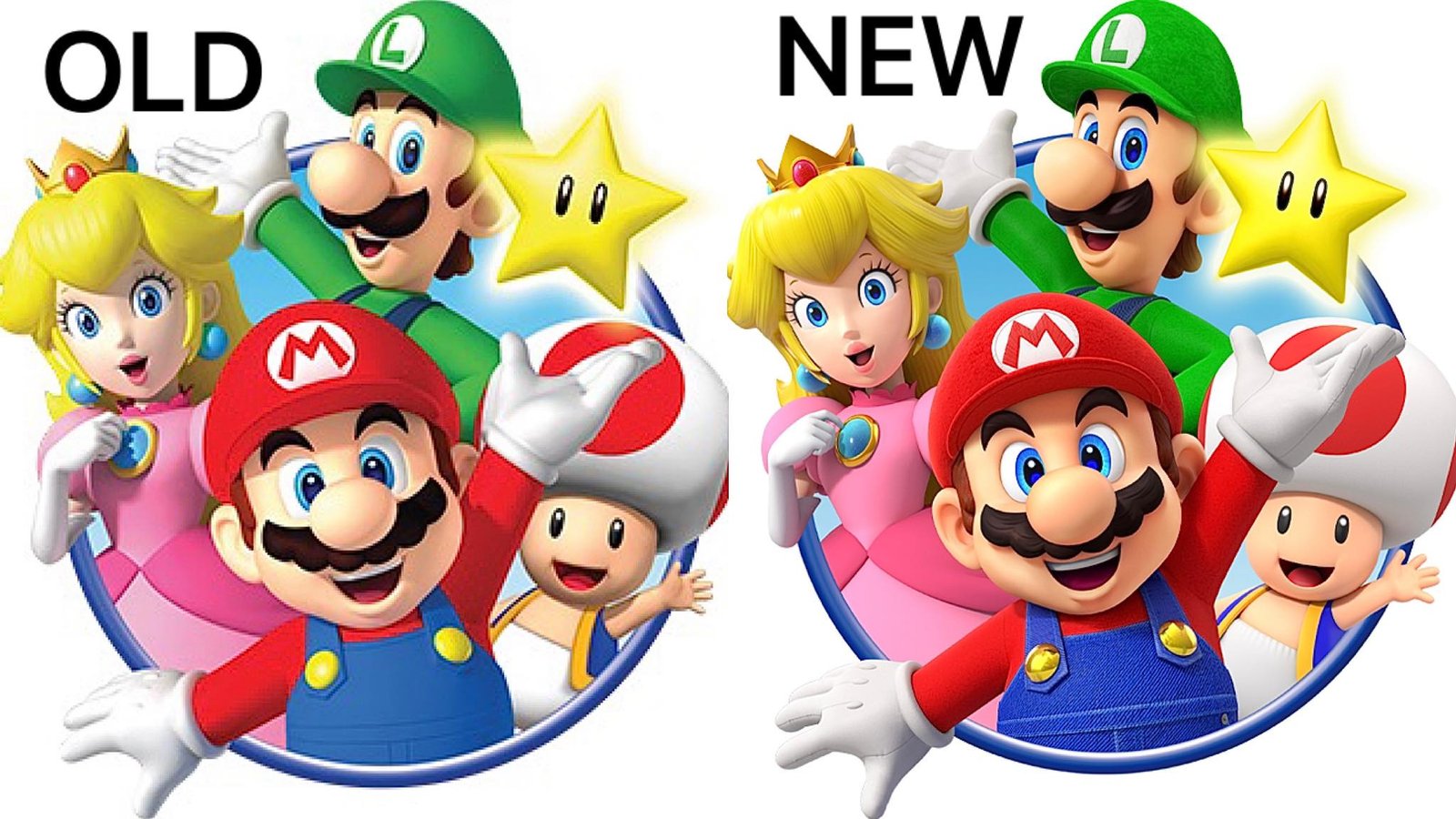
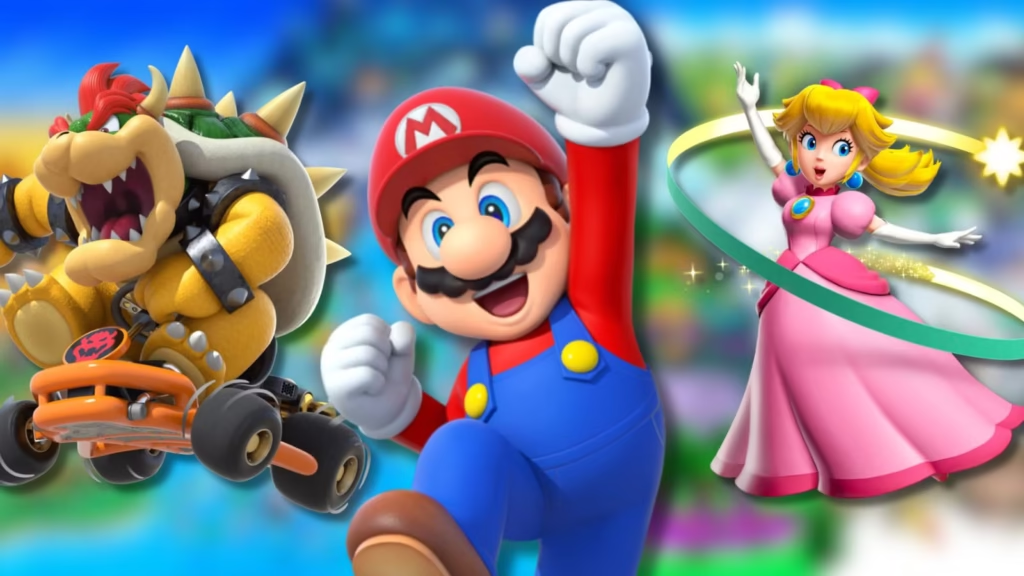
Mario is the heart of the Mario universe. He’s brave, upbeat, and always ready to jump headfirst into danger—literally. But what makes Mario special isn’t that he’s flawless. It’s that he’s approachable.
He’s not a towering superhero. He’s a plumber. A regular guy. And yet, he saves kingdoms.
You know what’s funny? Mario rarely speaks in full sentences, but somehow, we always understand what he’s feeling.
Why Mario Still Works Today
- He represents perseverance
- He’s optimistic, even when things go wrong
- He adapts to every new generation of gaming
So yeah, Mario isn’t just a main character. He’s a symbol of gaming itself.
Luigi: The Relatable Underdog
Luigi’s Evolution Over Time
If Mario is confidence, Luigi is anxiety—and we love him for it.
Luigi started as “Mario’s brother,” but over time, he grew into his own fully realized character. He’s taller, slimmer, and visibly more nervous. And honestly? That makes him incredibly relatable.
We’ve all been Luigi at some point—doing our best while secretly terrified.
Why Fans Love Luigi
- He shows vulnerability
- He proves bravery isn’t about fearlessness
- He shines brightest when pushed out of his comfort zone
Games like Luigi’s Mansion turned Luigi into a fan favorite, showing that courage can look quiet and shaky—and still be heroic
Princess Peach: More Than a Damsel
Breaking the Old Stereotype
Let’s be real. For years, Princess Peach was known mainly for getting kidnapped. But things have changed. A lot.
Modern Mario characters give Peach more agency, personality, and power. She’s graceful, intelligent, and surprisingly strong when the situation calls for it.
Peach’s Modern Role
- Playable character in many games
- Leader of the Mushroom Kingdom
- Calm under pressure
- Emotionally intelligent
And honestly, Peach’s quiet strength makes her stand out in a cast full of loud personalities.
Toad and Toadette: Small Characters, Big Energy
Toad’s Loyal Spirit
Toad might be small, but wow, does he bring enthusiasm. He’s helpful, fast-talking, and always ready to guide players.
Toad represents optimism. No matter how dangerous things get, he believes things will work out. And sometimes, that’s exactly the energy we need.
Toadette’s Growing Popularity
Toadette adds charm, confidence, and leadership to the Toad characters. Over time, she’s become more than a side character—especially with transformations and playable roles.
Together, Toad and Toadette show that Mario characters don’t need to be flashy to be memorable.
Bowser: The Villain We Secretly Admire
Why Bowser Is So Iconic
Now here’s the twist.
Bowser is technically the bad guy. But let’s be honest—he’s one of the most beloved Mario characters ever created.
Why? Because Bowser isn’t just evil for the sake of it. He’s emotional. Dramatic. Sometimes even… awkward.
Bowser’s Complexity
- He’s a fierce ruler
- A surprisingly caring father
- A rival who occasionally teams up with Mario
- A villain with personality and humor
And that’s what makes Bowser fascinating. You don’t just fight him—you understand him.
Yoshi: Everyone’s Favorite Companion
Why Yoshi Feels So Comforting
Yoshi is pure joy.
He’s loyal, helpful, and always ready to give Mario a boost—sometimes literally. Yoshi characters bring warmth to the Mario universe, making adventures feel less lonely.
You know what’s interesting? Yoshi doesn’t need words. His expressions and actions say everything.
Yoshi’s Unique Role
- Trusted sidekick
- Playable hero in his own games
- A symbol of friendship and teamwork
Honestly, who wouldn’t want a Yoshi by their side?
Wario and Waluigi: Chaos, Greed, and Humor
Wario: The Anti-Hero
Wario is loud, greedy, and unapologetically selfish. And yet, he’s weirdly charming.
He represents the darker, more chaotic side of Mario characters. But instead of being evil, Wario is just… Wario.
Waluigi: The Internet’s Favorite Oddball
Waluigi might be the strangest Mario character of all. He’s dramatic, mysterious, and always feels slightly out of place.
But that’s exactly why fans love him.
Together, Wario and Waluigi add humor, unpredictability, and contrast to the Mario universe.
Donkey Kong and Friends: Power Meets Personality
Donkey Kong’s Role in Mario History
Donkey Kong is where Mario’s story began. Over time, he evolved from a villain into a hero—and a powerhouse.
DK is strong, loyal, and surprisingly relaxed for someone who can smash barrels like toys.
Supporting Characters in the Kong Family
- Diddy Kong: Energetic and adventurous
- Dixie Kong: Confident and capable
- Cranky Kong: Grumpy wisdom
These characters add depth and history to the Mario characters lineup.
Goombas, Koopas, and Classic Enemies
Why Even the Enemies Matter
Mario characters wouldn’t be complete without their iconic enemies.
Goombas are simple but expressive. Koopas come in countless variations. And each enemy type teaches players something new.
They’re not just obstacles—they’re part of the storytelling.
What These Enemies Represent
- Learning through failure
- Pattern recognition
- Growth through challenge
Even Mario’s enemies feel alive, and that’s something special.
Why Mario Characters Stand the Test of Time
Universal Appeal Across Generations
One reason Mario characters remain relevant is their timeless design. They’re not tied to trends. They evolve without losing their identity.
Kids love them. Adults respect them. And nostalgic players reconnect with them instantly.
Emotional Connection
We don’t just play as Mario characters—we grow up with them. They’re there during wins, losses, and quiet moments.
And that emotional connection? That’s powerful.
Conclusion: Why Mario Characters Will Always Matter
So, what’s the takeaway here?
Mario characters aren’t just part of gaming history—they are gaming history. They represent creativity, resilience, humor, and heart. From Mario’s optimism to Luigi’s anxiety, from Bowser’s drama to Yoshi’s loyalty, each character adds something meaningful.
And honestly, that’s why they’ve lasted this long.
Whether you’re playing your first Mario game or your fiftieth, these characters still feel familiar, comforting, and exciting. And that’s not something you see every day.
So go ahead—pick up a controller, revisit the Mushroom Kingdom, and reconnect with characters that never really left
FAQs About Mario Characters
1. Who is the most popular Mario character?
Mario himself is the most popular Mario character worldwide, followed closely by Luigi, Yoshi, and Bowser due to their strong personalities and long history.
2. Why are Mario characters so recognizable?
Mario characters use simple designs, bold colors, and clear personality traits, making them easy to recognize and remember across generations.
3. Is Bowser always the villain?
Not always. While Bowser is usually the main antagonist, some games show him teaming up with Mario, revealing a more complex personality.
4. Which Mario character is most relatable?
Many fans find Luigi the most relatable because of his nervousness, self-doubt, and quiet bravery—traits that feel very human.