
Introduction: Why Robert Eggers Feels Different (And You Know It)
Let’s be honest for a second—modern movies don’t always stick with us. You watch them, enjoy a few scenes, and then, well… they vanish from your mind by the next weekend. But every once in a while, a filmmaker comes along who makes you feel unsettled in the best possible way. The kind of stories that linger. The kind that crawl under your skin.
That’s where Robert Eggers comes in.
If you’ve ever finished a film feeling disturbed, curious, and oddly fascinated all at once—trust me, you’ll see why Robert Eggers has become one of the most talked-about directors of our time. His movies don’t scream for attention. They whisper. And somehow, that whisper is louder than most blockbusters.
So, who is Robert Eggers really? And why has his name become almost sacred among fans of psychological horror and art-house cinema?
Who Is Robert Eggers?
A Brief Background (But Stick With Me)
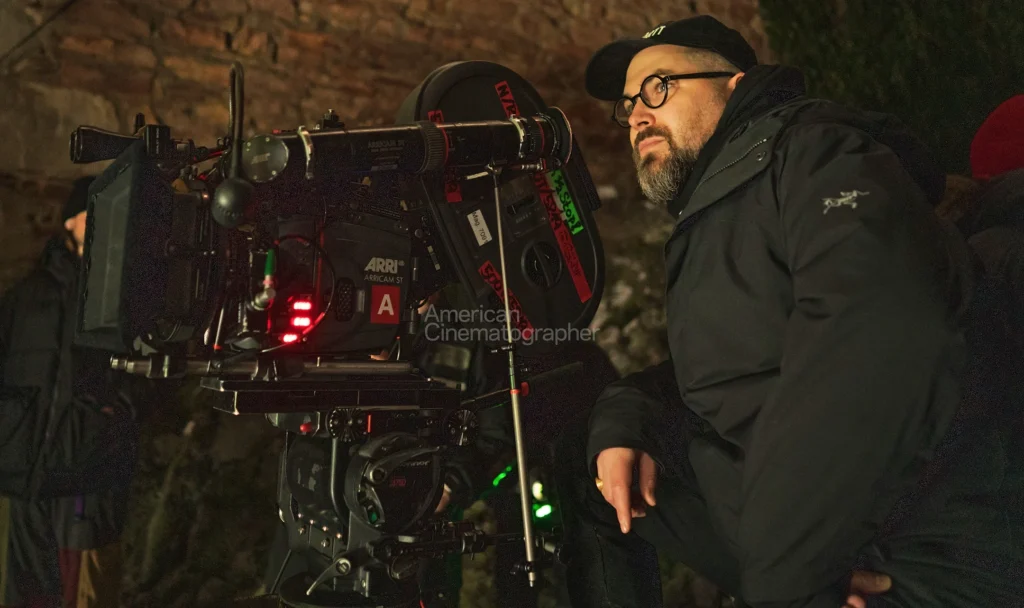
Robert Eggers is an American filmmaker best known for his deeply atmospheric, historically rich, and psychologically intense films. Born in New York City, Eggers didn’t start out dreaming of Hollywood glamour. Actually, his creative roots lie in theater design and production, which explains a lot when you look at his films today.
Every frame he creates feels staged with intention. Every shadow, every sound—it’s all deliberate.
And that’s kind of his superpower.
Before directing feature films, Eggers worked as a production designer and director for stage plays. This background gave him an obsessive attention to detail that later became his signature style in cinema.
Robert Eggers’ Filmmaking Style: What Makes Him Stand Out?
Slow, Moody, and Deeply Uncomfortable (In a Good Way)
Let’s get one thing straight: Robert Eggers is not a jump-scare director.
If you’re looking for fast-paced horror with loud noises every five minutes, his films might test your patience. But if you enjoy tension that builds slowly—like a storm you know is coming—then you’re in the right place.
Here’s what defines a typical Robert Eggers film:
- Long, lingering shots
- Minimal but powerful dialogue
- Historical accuracy down to dialect and costume
- Themes of isolation, madness, faith, and folklore
- A creeping sense of dread rather than obvious fear
And honestly, that’s refreshing.
The Witch (2015): The Film That Changed Everything
A Quiet Horror That Roared
Robert Eggers burst onto the scene with “The Witch”, a film that divided audiences but united critics.
Set in 1630s New England, The Witch follows a Puritan family unraveling after being banished from their community. Sounds simple, right? But what unfolds is a masterclass in psychological horror.
What makes The Witch so powerful isn’t the monster—it’s the fear of the unknown.
Eggers used authentic 17th-century language, which some viewers found challenging. But to be honest, that authenticity is exactly what makes the film feel real. You’re not watching actors pretend. You’re watching people believe they’re cursed.
And yes, that ending? Unforgettable.
The Lighthouse (2019): Madness, Myth, and Masculinity
Two Men. One Lighthouse. Zero Sanity.
If The Witch was unsettling, “The Lighthouse” was downright hypnotic.
Starring Willem Dafoe and Robert Pattinson, this black-and-white psychological drama is intense, strange, and oddly funny at times. The film explores isolation, power struggles, and descent into madness.
And here’s the thing—it doesn’t explain itself.
Eggers trusts his audience. He lets symbolism breathe. Greek mythology, maritime folklore, and Freudian psychology all collide in a film that feels like a waking nightmare.
Some people walked out confused. Others walked out amazed.
And that’s kind of the point.
The Northman (2022): Robert Eggers Goes Epic
When Art-House Meets Brutal Action
With “The Northman”, Robert Eggers proved he could scale up without selling out.
This Viking revenge epic is raw, violent, and mythological. Inspired by Norse legends, the film follows a prince seeking vengeance for his father’s murder.
What makes it special isn’t just the action—it’s the ritualistic realism. Eggers once again leaned heavily into historical accuracy, from language to spiritual beliefs.
So yes, there are sword fights. But there’s also destiny, prophecy, and primal rage.
And honestly? It works beautifully.
Themes Robert Eggers Loves to Explore
1. Isolation and Madness
Almost every Robert Eggers film places characters in isolation—far from society, comfort, or reason. And slowly, you watch their sanity slip.
2. Folklore and Mythology
Eggers doesn’t invent monsters. He resurrects old beliefs, legends, and fears humanity has carried for centuries.
3. Faith and Fear
Religion often plays a major role in his stories. Not as comfort—but as conflict.
4. Power and Control
Whether it’s family, authority, or masculinity, Eggers constantly questions who holds power—and at what cost.
Why Critics Love Robert Eggers (And Some Audiences Don’t)
Let’s Be Real for a Moment
Robert Eggers isn’t for everyone.
Some viewers find his films slow, confusing, or overly artistic. And that’s okay. But critics admire his refusal to compromise.
He doesn’t chase trends.
He doesn’t explain everything.
He doesn’t dilute his vision.
And in a world full of safe, formulaic films, that takes courage.
Robert Eggers’ Impact on Modern Cinema
Redefining Horror as Art
Before horror was often dismissed as a “lesser” genre. His work helped prove that horror can be intelligent, beautiful, and emotionally complex.
Today, many filmmakers credit Eggers for inspiring a new wave of elevated horror—films that prioritize atmosphere, psychology, and meaning.
You see his influence everywhere now.
What’s Next for Robert Eggers?
The Future Looks Dark (And Promising)
Robert Eggers continues to work on ambitious projects rooted in mythology and classic storytelling. His commitment to authenticity and artistic integrity hasn’t wavered.
And honestly, that’s exciting.
Because when Eggers announces a new film, you don’t just expect entertainment—you expect an experience.
Why Robert Eggers Matters (More Than You Think)
So why does Robert Eggers matter in today’s film landscape?
Because he reminds us that movies can still be risky.
That audiences can handle complexity.
That fear doesn’t have to be loud to be powerful.
And in a world obsessed with instant gratification, his films ask us to slow down, pay attention, and feel something deeper.
Conclusion: Should You Watch Robert Eggers Films?
Absolutely—if you’re willing to be patient.
Robert Eggers isn’t here to spoon-feed you answers. He challenges you. He unsettles you. And sometimes, he frustrates you.
But if you lean into his world, you’ll be rewarded with stories that stay with you long after the credits roll.
And honestly? That’s rare these days.
FAQs About Robert Eggers
1. What genre is Robert Eggers known for?
Robert Eggers is best known for psychological horror and historical drama, often blending folklore, mythology, and realism.
2. Is Robert Eggers’ style slow-paced?
Yes, his films are intentionally slow and atmospheric, focusing more on tension and mood than action.
3. Are Robert Eggers movies scary?
They’re not traditional jump-scare horror. Instead, they create deep psychological unease and emotional tension.
4. Which Robert Eggers film should I watch first?
If you’re new, The Witch is a great starting point to understand his unique storytelling style.
If you’re tired of predictable movies and want something that challenges your senses, Robert Eggers might just be the filmmaker you didn’t know you were missing.